Ukraine’s Strikes on Russian Oil, Grain, and e-Commerce
Remastered: 18 August 2026
- Ukraine has been striking Russian oil infrastructure with drones and missiles regularly since 2024.
- In 2026, this expanded to Russian Black Sea grain shipments and e-commerce warehouses across the country.
- The attacks reduced Russia’s oil refining capacity by around 30% and caused a country-wide shortage of fuels.
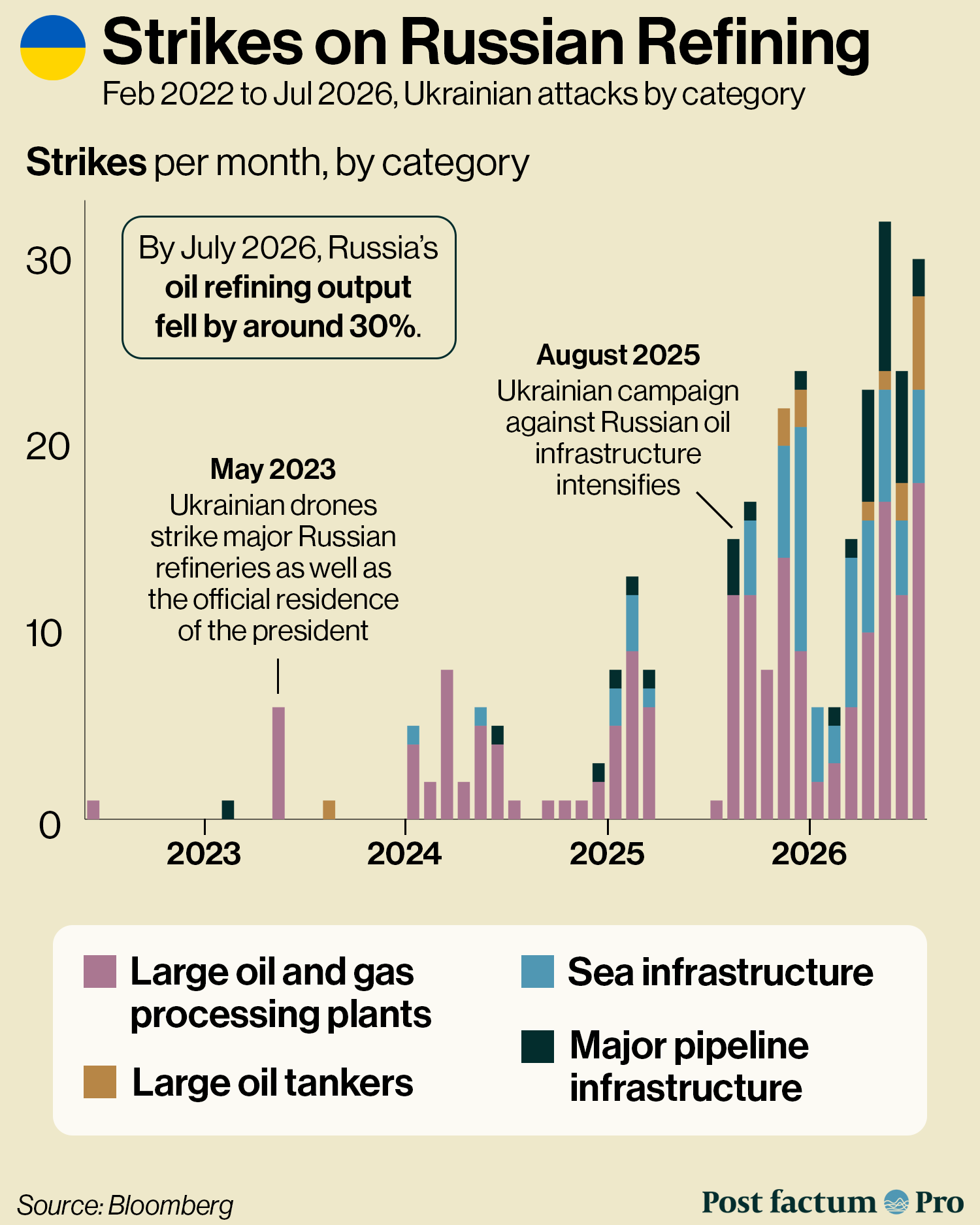
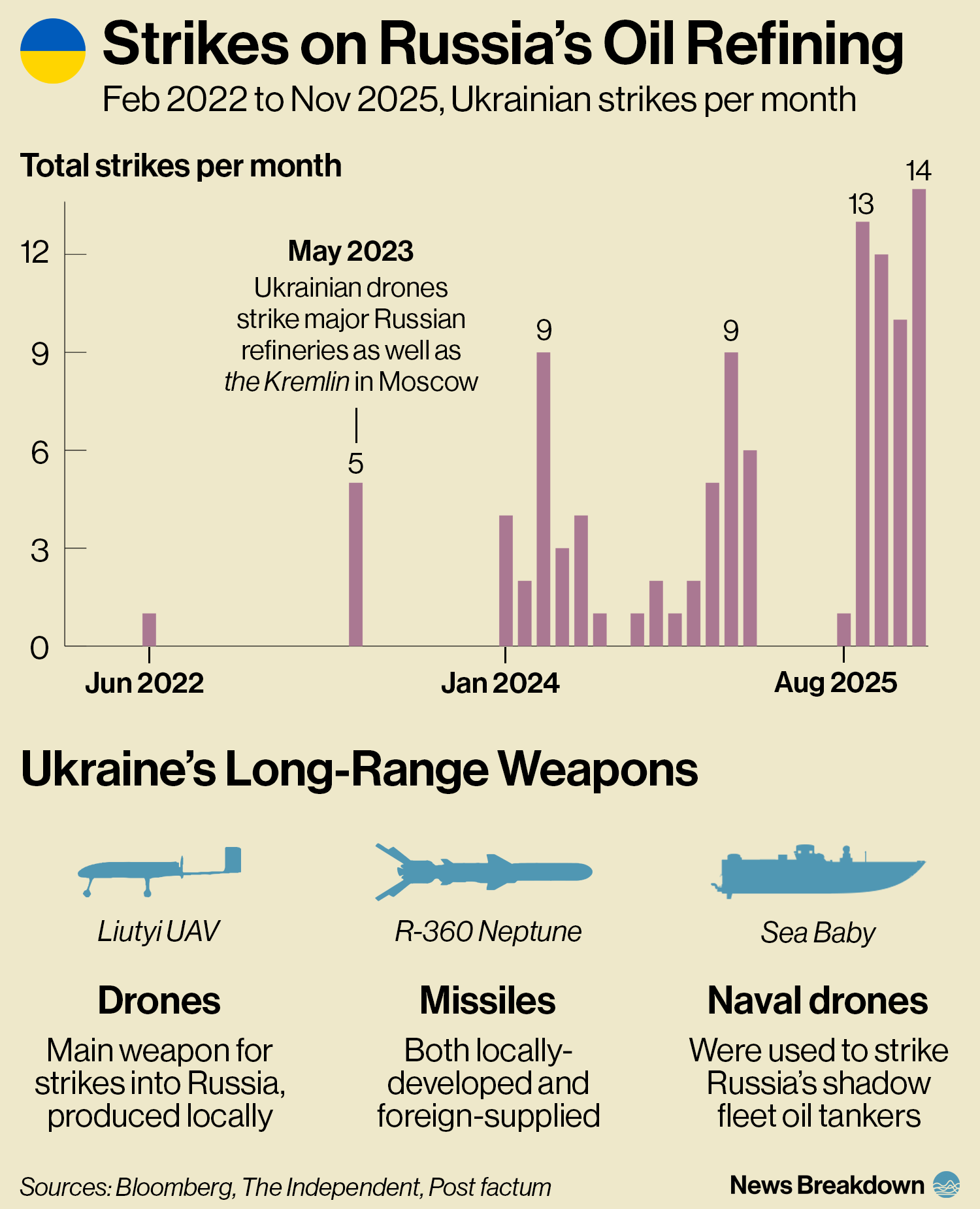
Ukraine began to strike Russian oil refining infrastructure regularly in January 2024.
- Refining is the process of making fuels and other products from crude oil.
We covered the effects of this campaign in 2025 but the situation has developed since.
In 2026, the attacks reached a record volume, with 32 strikes on oil targets in May and 30 in July.
What are the goals? (1) to reduce Russia’s ability to finance its war on Ukraine and (2) to promote public dissatisfaction with the effects of war inside Russia.
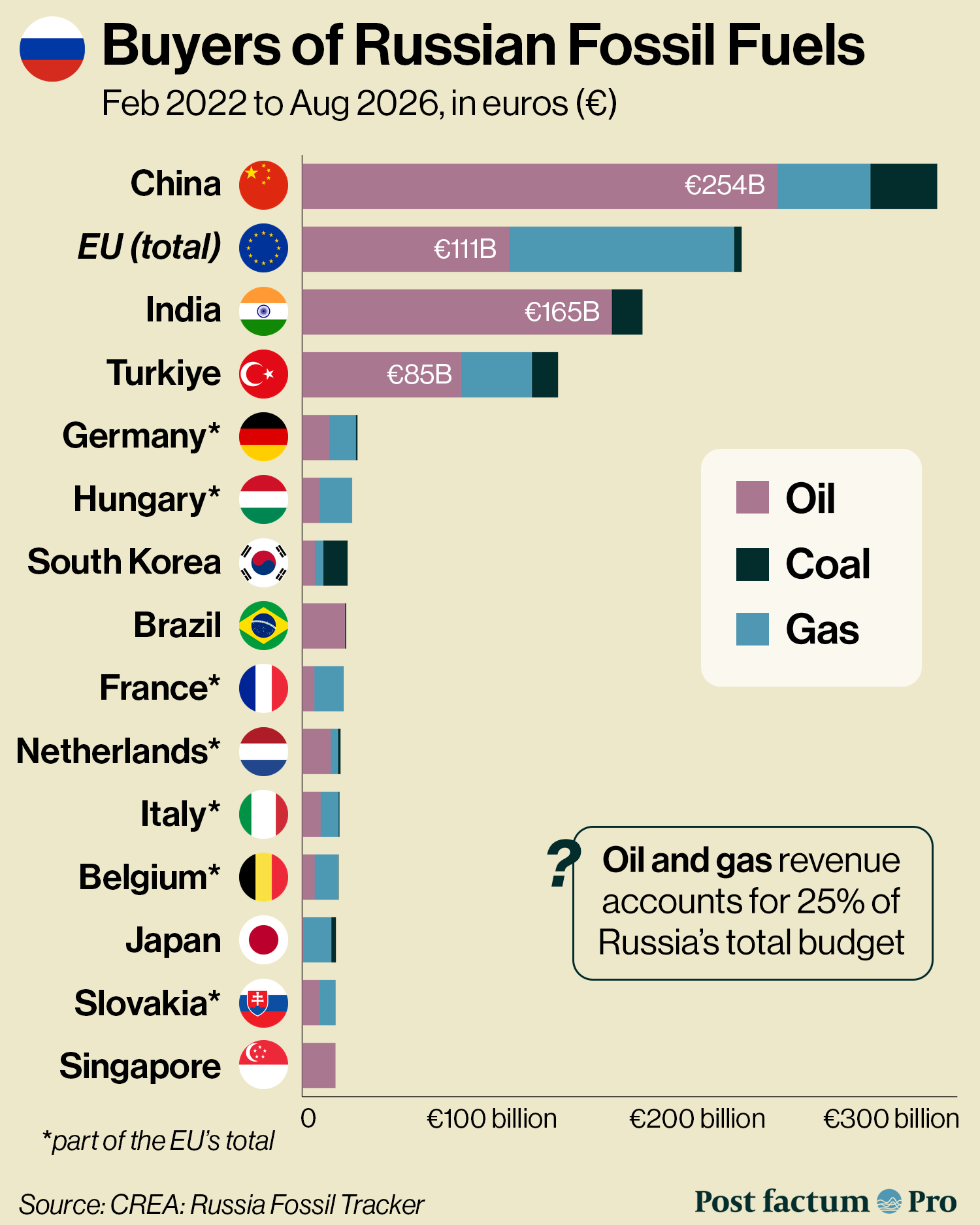
- The oil and gas sector now provides 25% of Russia’s budget, down from 30% in 2024.
- Vladimir Putin’s approval rating fell from 87% a year ago to 74% in July 2026, the lowest since 2022.
In the first quarter of 2026, Russia’s oil and gas budget revenues fell by 45% compared to a year earlier.
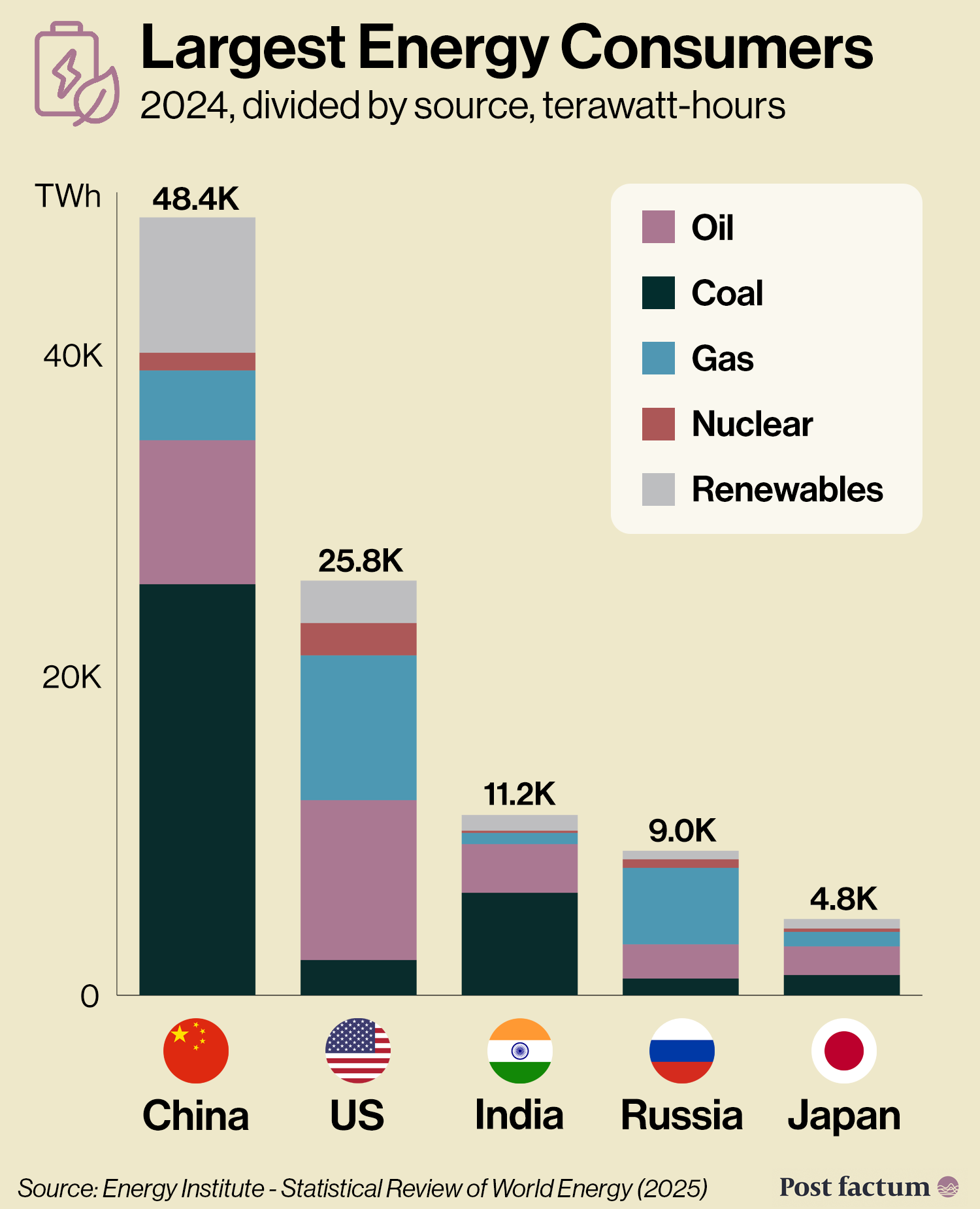
China, India and Türkiye are the largest buyers of Russian fossil fuels.
These countries also refine Russian oil and sell the products to other countries, including the EU.
- In January 2026, the EU banned imports of oil products made from Russian crude, cutting 97% of such flows from India.
- Over $1 billion of oil products of Russian origin still made it into the EU in 2026.
Since 2022, Ukraine has hit 24 of Russia’s 33 major refineries, including the 11 largest ones.
In July 2026, drones flew 2,500 km to hit Russia’s largest refinery in Siberia, the longest confirmed drone strike of the war so far.
Ukraine uses medium- and long-range drones produced locally.
It also uses missiles developed by Ukrainian companies and Western-supplied ones.
- A new Ukrainian cruise missile (FP-5 Flamingo) entered mass production in 2026, with around 100 made per month.
Ukraine plans to produce 7 million drones in 2026, up from 4 million in 2025.
In 2026, Ukraine expanded the attacks to Russia’s wider oil export chain:
- Oil tankers: naval drones hit Russian shadow fleet ships (unregistered tankers moving its energy sources).
- Export terminals: strikes targeted Russia’s main Black Sea oil loading terminal, and its Baltic Sea export ports.
The strikes have also affected Kazakhstan’s crude oil exports, which travel by a pipeline to Russian ports where they are loaded onto tankers.
Impact on Russia’s oil refining
Russian refineries processed 3.6 million (M) barrels of oil per day in July 2026, the lowest since 2002.
This is about a third below the normal summer level: refining output has been falling since the beginning of 2026.
- In 2025, Russia offset the damage using its spare capacity of over 1M barrels per day.
By mid-2026, the spare capacity has been used up, while repairs take longer with restricted access to Western-made equipment.
Russia redirected the unrefined crude oil to exports, which reached a wartime high of 3.6M barrels per day in May.
In July, around 135M barrels of Russian crude oil were loaded onto tankers but undelivered.
Fuel crisis in Russia
The strikes have caused nationwide fuel shortages in Russia.
Petrol prices rose by 19% in the first 7 months of 2026, reaching a record level in August.
Over 50 Russian regions limited fuel sales in July, using coupons and daily limits per driver.
- On the annexed Crimean Peninsula, petrol has only been sold for state-issued coupons since May, and a state of emergency was declared in June.
Russia banned petrol and diesel exports until January 2027 and began importing fuel from Belarus and India.
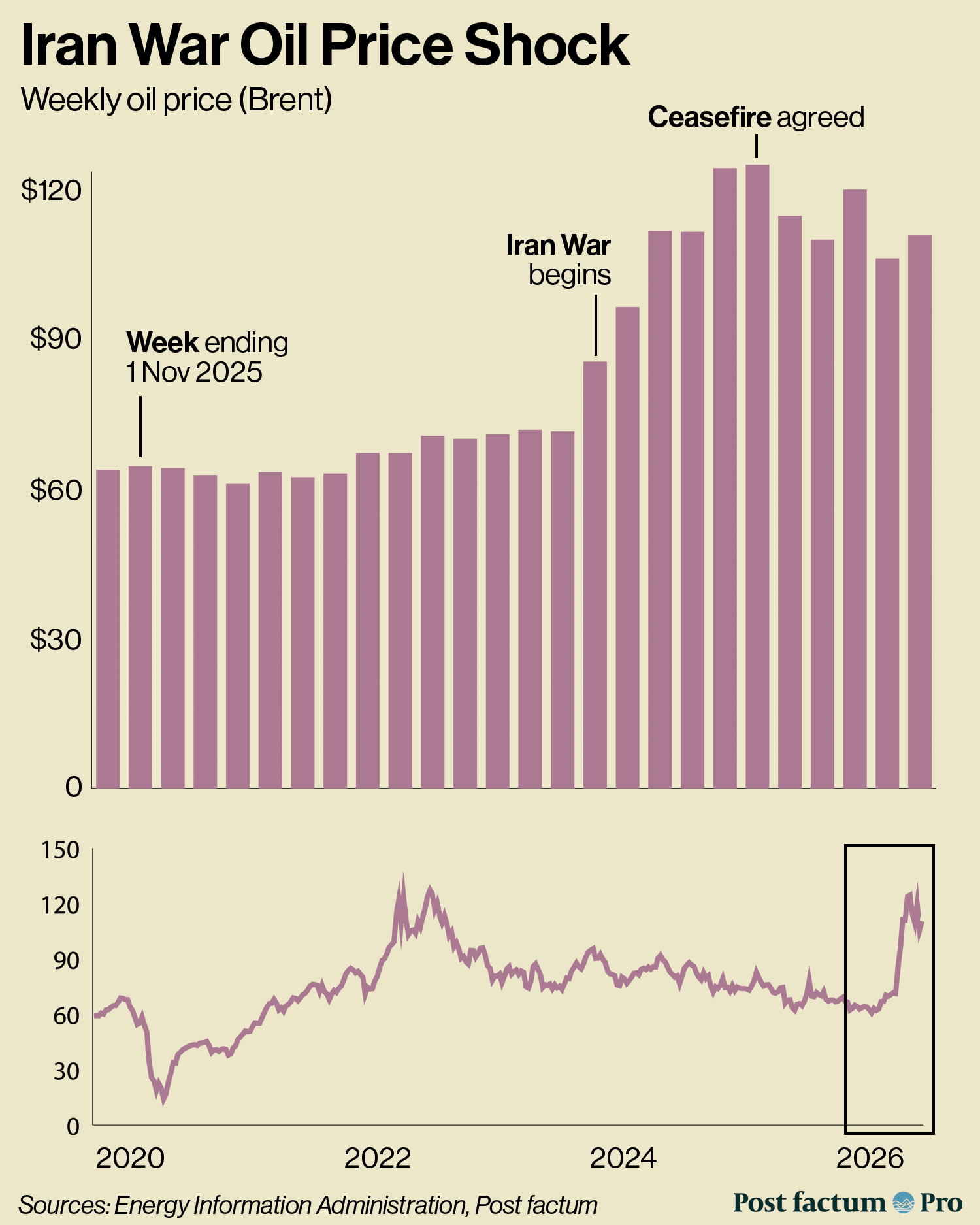
Higher global oil prices caused by the Iran war offset Russia’s financial losses.
Russian oil and gas revenue rose 19% between July 2025 and July 2026.
However, in January-July 2026, Russia earned 17% less than in the same period last year.
Attacks on Grain Exports
On 12 August 2026, Ukraine hit Russian grain export terminals on the Black Sea.
90% of exporting capacity was taken offline, accounting for about $15B of grain exports.
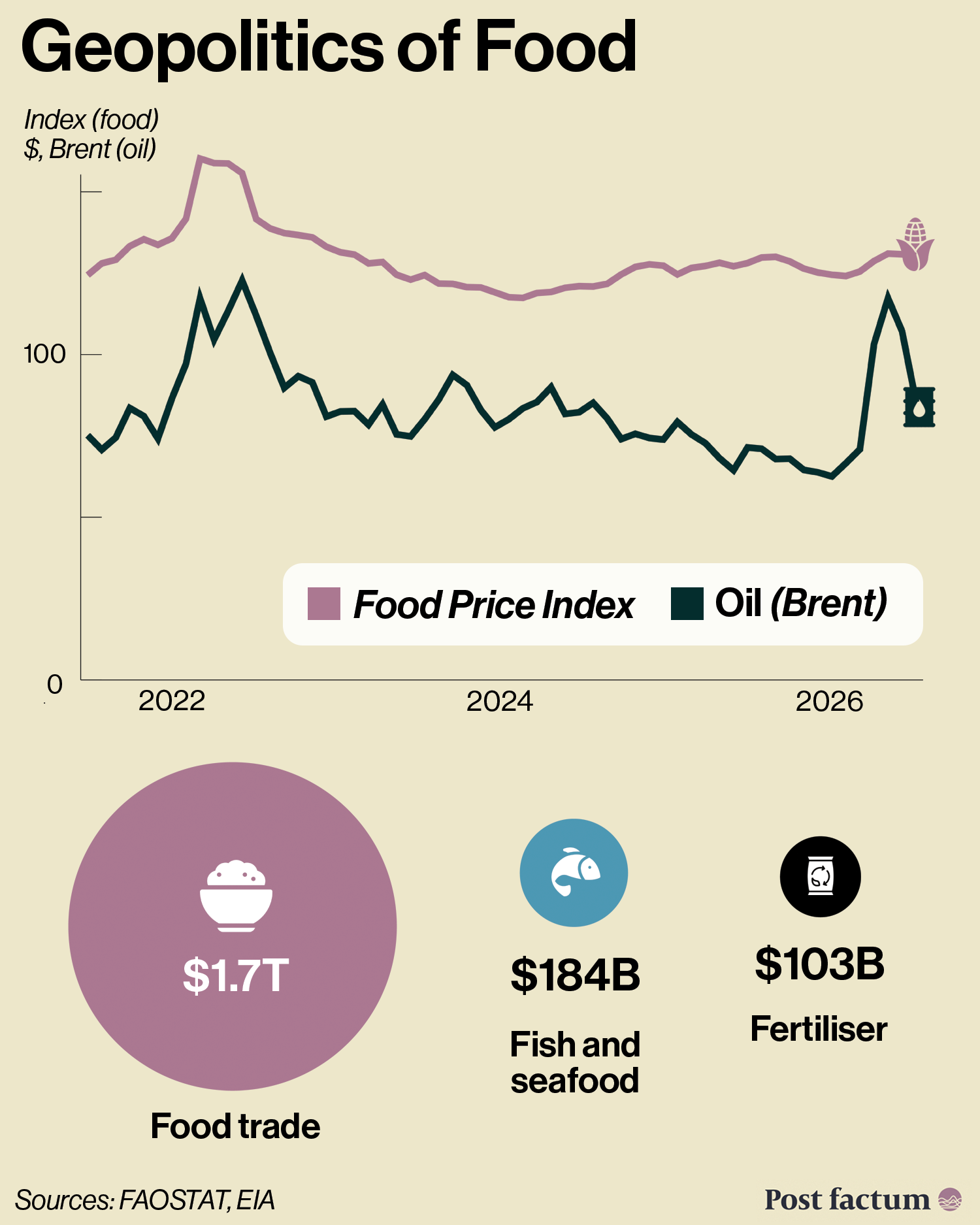
Local and global grain prices increased.
See the Geopolitics of Food report for more.
Attacks on e-Commerce
Ukrainian drones damaged at least 9 warehouses of Russia’s largest online retailer, Wildberries.
This affected both the business itself and the individual sellers on the platform.
- The retailer’s growing debt may have negative effects on Russia’s banking sector, with one bank (VTB) particularly exposed.
- The platform sells military-related equipment like bulletproof vests or drones.
- Another major online retailer’s storage hub was also attacked.
Things to Look Out For
During the winter, Russian strikes on Ukraine’s energy infrastructure are expected to intensify.
Reportedly, Ukraine’s offer of a mutual pause in energy infrastructure strikes was refused by Russia.
In 2026, Ukraine faces a shortage of air defence interceptor missiles and is unable to intercept most of the Russian ballistic missiles launched at it.
Thank you for reading!
Keep exploring: